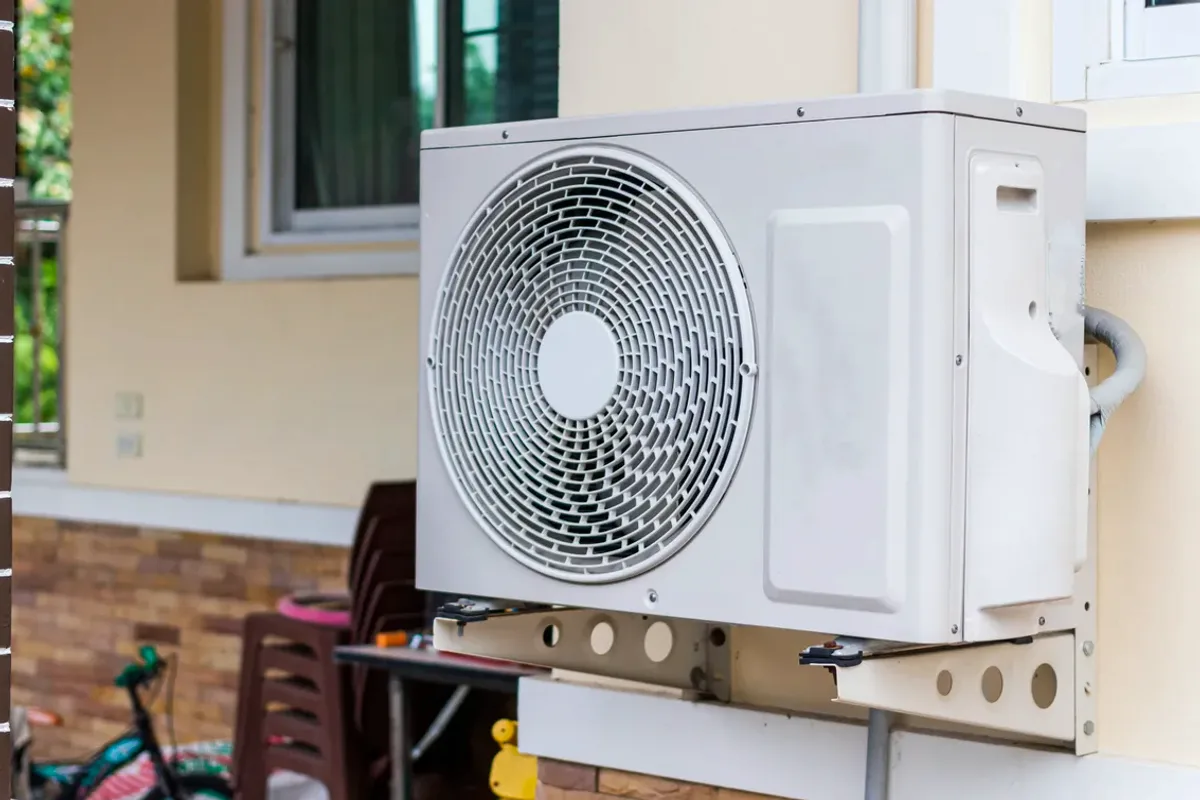
Request heat pump repair & installation for a property in Strathroy. Include the equipment, the problem or planned work, and your location so the request can be reviewed.
Is the heat pump failing to heat or cool, showing a defrost or drainage issue, or being considered for replacement?
Heat pump service can involve repair of an existing system or planning a new installation, and those are different scopes. Weak heating or cooling, uneven air delivery, persistent operation, noise, or a defrost concern needs diagnosis against the equipment model and operating conditions. Refrigerant, electrical, drainage, and control observations help identify the fault; installation planning instead considers the building load, distribution system, and equipment compatibility. Service history and the severity of a diagnosed problem inform whether repair or replacement merits consideration.
Diagnosis should identify the system type and model, operating mode, control demand, airflow, defrost behavior, drainage, and relevant electrical or refrigerant findings. Those measurements help distinguish a specific failure from a sizing or distribution issue. For installation, building load and existing equipment compatibility define the design. Fault severity, condition, and repair history support a separate repair-versus-replacement comparison.
Heat pump heating and cooling fault diagnosis
Refrigerant, electrical, defrost, airflow, and drainage checks
Load-based heat pump installation and repair-versus-replacement assessment
Assessment and Scope
Questions for the Proposed Work
01
Diagnose heating, cooling, and defrost symptoms
A heat pump that delivers lukewarm air or runs persistently needs assessment in the mode where the symptom occurs. Defrost behavior, airflow, controls, and drainage can each influence operation, so observations should be tied to the unit's model and conditions. Refrigerant pressures and electrical draws are diagnostic measurements for qualified service, not occupant checks. Their results help identify whether a defined component fault or a broader system issue is involved.
02
Set installation scope from the building load
A new heat pump should be selected against the building's heating and cooling loads and the existing air distribution or hydronic arrangement, where applicable. Equipment capacity, controls, electrical requirements, condensate handling, and installation location all affect compatibility. If cold-weather operation is a design consideration for the property, compare equipment specifications with its intended use rather than relying on a generic label. The installation plan should state what existing components can be retained.
03
Keep maintenance and replacement decisions distinct
Maintenance findings can identify issues with filters, coils, drainage, electrical connections, or defrost operation, with service guided by inspection and manufacturer instructions. That work is distinct from repairing a failed component. Replacement becomes a separate question when fault severity, recurring repair needs, equipment condition, or compatibility makes continued repair less suitable. Comparing those findings with the system's history gives a clearer basis for deciding what work is actually required.
Compare the next step
Ask how outdoor placement supports year-round airflow, drainage, and inspection without obstructing service routes. Include landscaping and anticipated storage changes in that discussion. Inside, check access to filters, controls, and backup equipment so a new heat-pump installation does not make retained appliances harder to maintain.
Cold-climate capability does not prove that one model covers every home heating load. Ask how the selected equipment and supplementary heat meet the actual design requirements.