No fluff in this one. Your furnace gives warning before it fails, and the warnings fit on a single line: noises, uneven heat, higher bills, frequent cycling, and the colour of the pilot flame. Here is what each sign means and what to do about it, in plain language.
The Rooms That Stay Cold
Uneven heating is a symptom, not a quirk of the house. When the same rooms lag winter after winter, suspect ducts that leak or deliver out of balance, a blower that can no longer push air to the far runs, or a thermostat reading one warm spot and calling it the whole house. Weak register airflow confirms it. Air that trickles rather than streams points to a clogged filter, a duct restriction or a blower losing capacity. The system runs longer to compensate, wearing parts it should not have to.
Combustion Signs Come First
Start every furnace check with the flame. A gas furnace should show a steady blue pilot or burner flame. Yellow, orange or flickering means the burn is incomplete, and that puts it in the carbon monoxide category of problems rather than the comfort category. Soot around the burner, or a stale exhaust smell indoors, belongs in the same bucket. The act-early advice writes itself: shut the furnace down and have a licensed technician test combustion and venting before it runs again. Working CO alarms outside sleeping areas are the backup plan every Ontario home should already have in place.
From Symptoms to Answers in One Visit
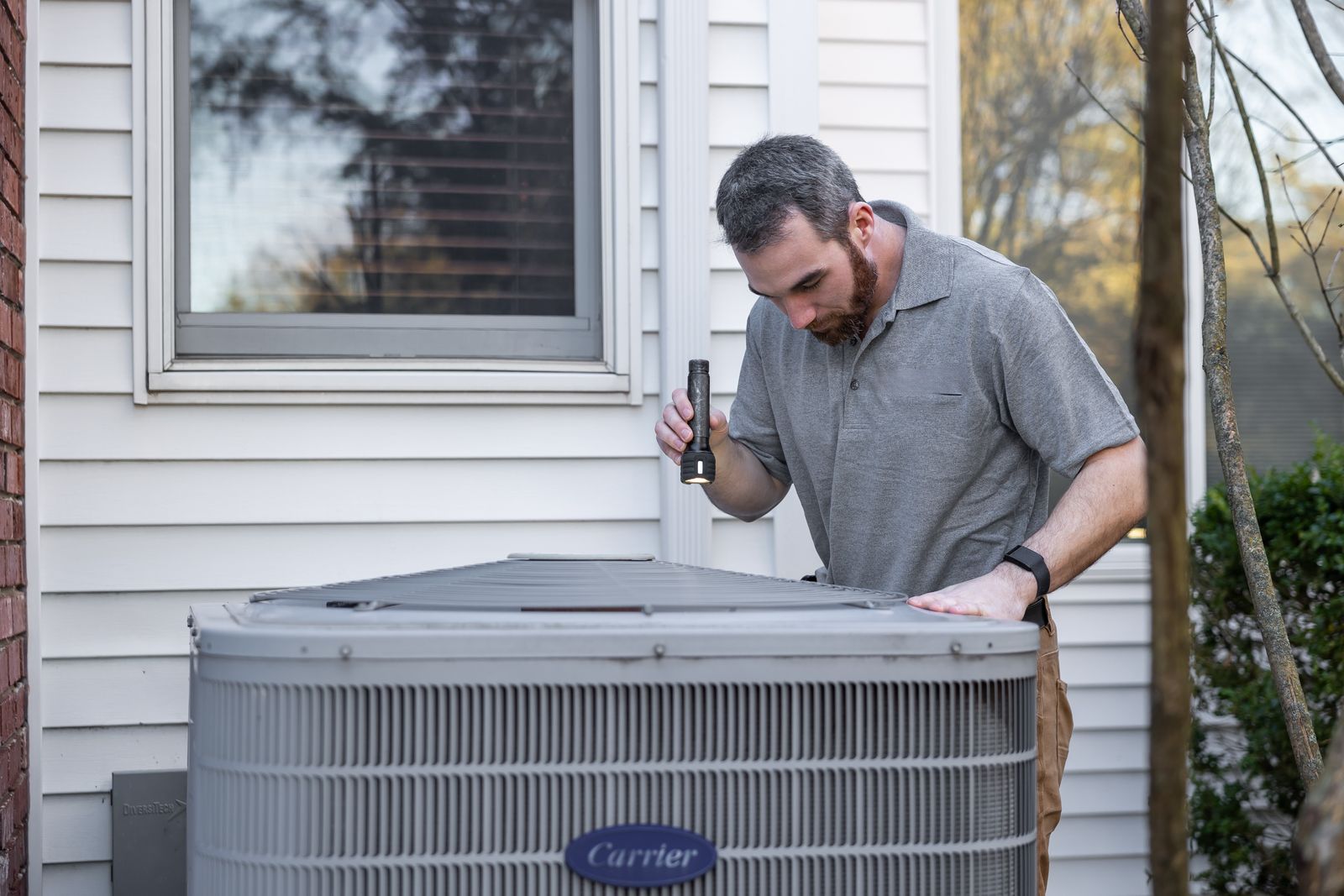
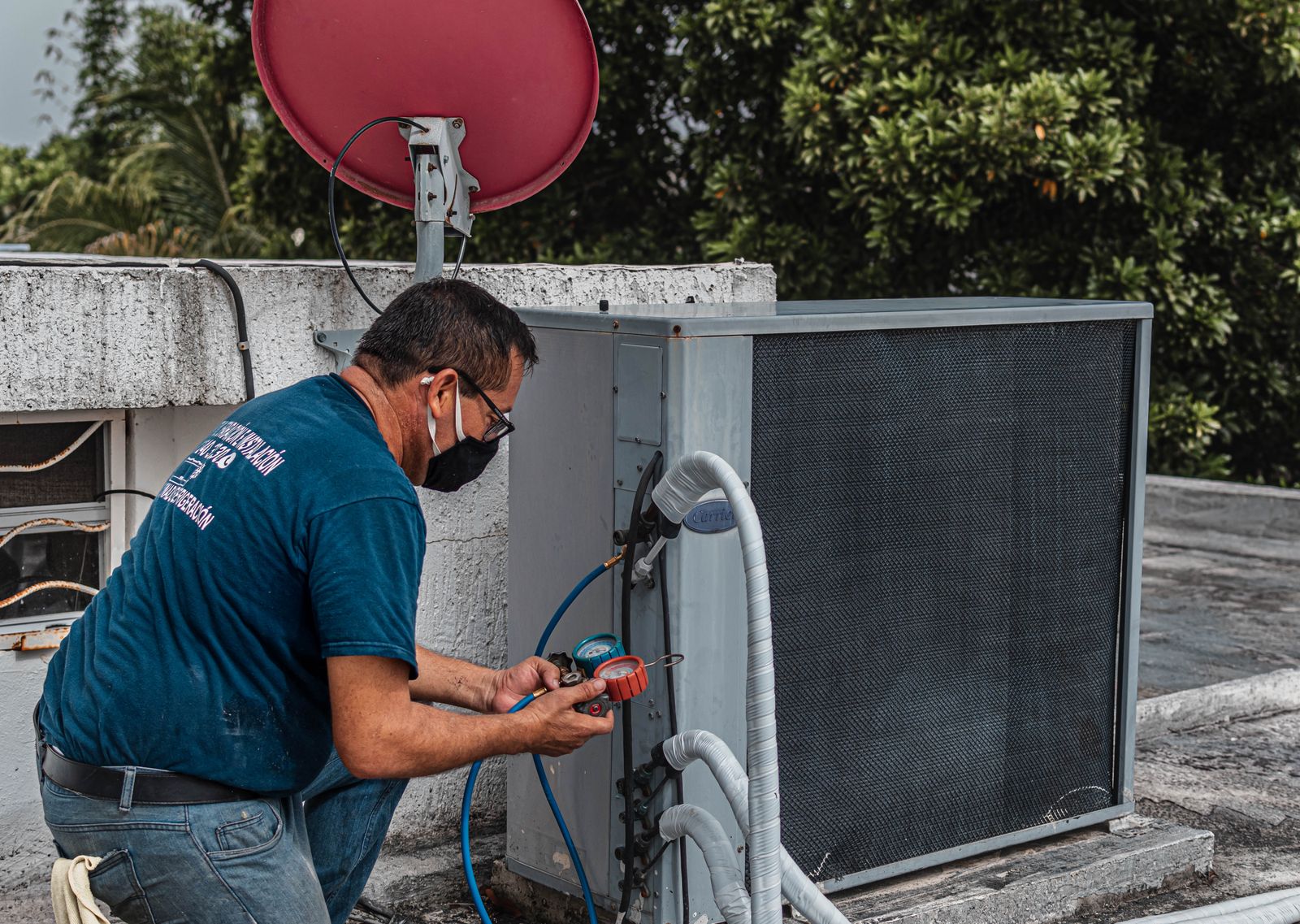
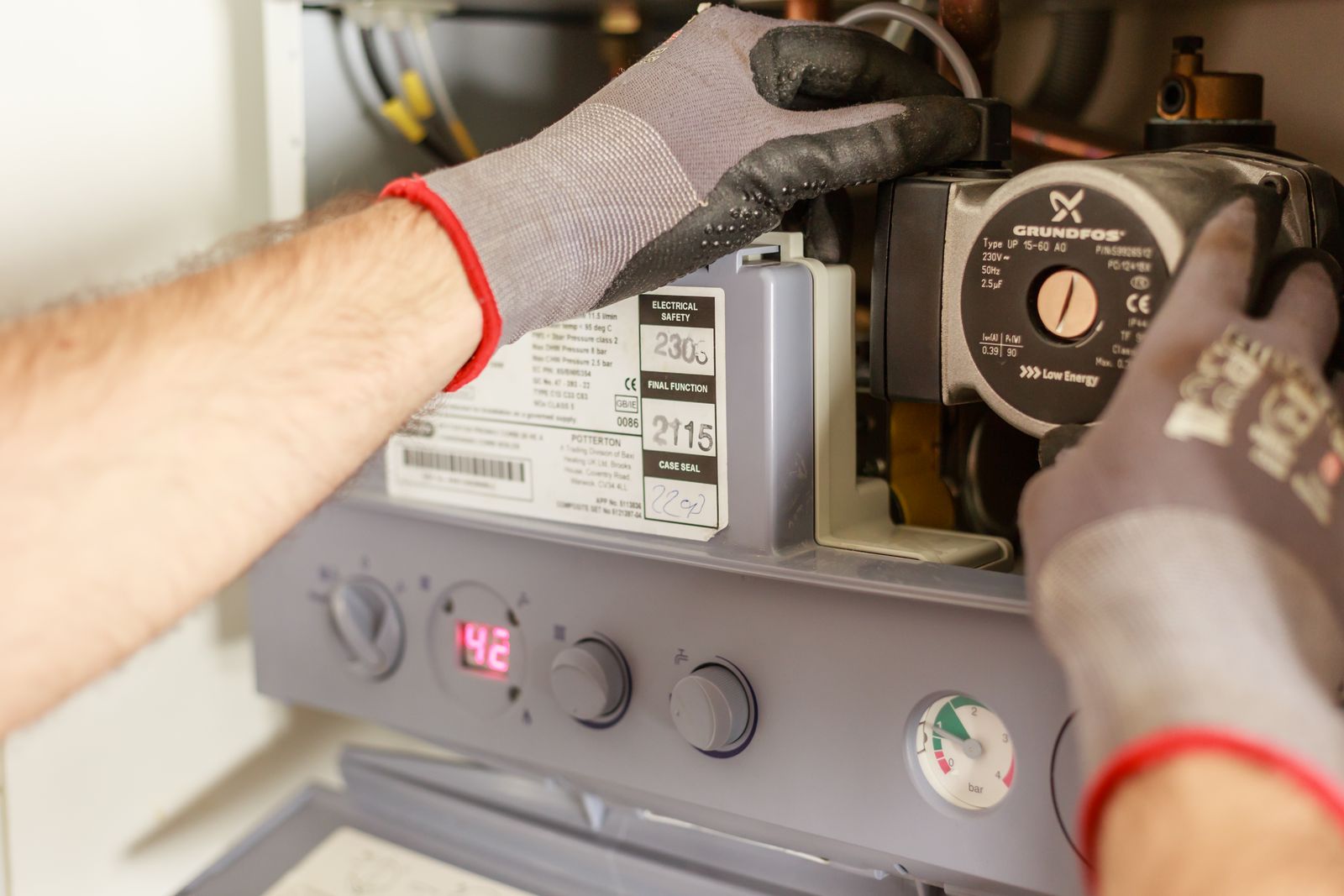
Most furnace symptoms can be confirmed or cleared in a single diagnostic appointment. The technician tests combustion and venting, inspects the heat exchanger and burners, checks the blower, belts and filter, measures airflow, and verifies the thermostat and safety limits, finishing with a carbon monoxide test. You should come away knowing exactly what is wrong, what it costs to fix, and whether anything else on the system deserves watching through the rest of the season.
Sounds That Mean a Part Is Failing
Noise is the furnace reporting on its own parts. A screech or grind means friction: blower bearings or a belt nearing failure, and the motor behind them is what pays for the delay. Rattling means looseness, most often a panel, fastener or duct fitting vibrating in the airstream. Rapid clicking at ignition means the burner is struggling to light, a pattern that points to the igniter or flame sensor. A loud bang when the burner finally catches deserves urgent attention, since that can indicate delayed ignition.
Run Longer, Start More, Pay More
Sudden bill spikes deserve an audit, not a shrug. Pull the last two winters of gas bills and match the months. A jump in similar weather points to lost efficiency in the furnace itself, from dirty burners and clogged filters to ducts that leak heated air into unheated spaces. Frequent on-off cycling makes it worse. Short cycles never let the system reach steady operation, so fuel goes to starting rather than heating, and the igniter and controls accumulate wear with every restart. Fixing the cycling cause often claws back a noticeable slice of the bill the same season.