When an air conditioner falls behind, the cause is almost never mysterious. It is a short list of common problems, most of them inexpensive to correct, and in Strathroy a plain-language look at that list is often all a homeowner needs to know what to do next.
Too Small, Too Old, or Both
The undersized unit. A unit too small for the home's cooling load runs without pause, cools unevenly, and leaves the air damp because short cycles remove very little moisture. The aging unit. Capacity fades as equipment gets older; worn compressors move refrigerant less effectively and coils lose their ability to shed heat. The pattern homeowners describe is always similar: it used to keep up, and somewhere around the second decade it stopped.
Refrigerant, the Envelope, and the Numbers
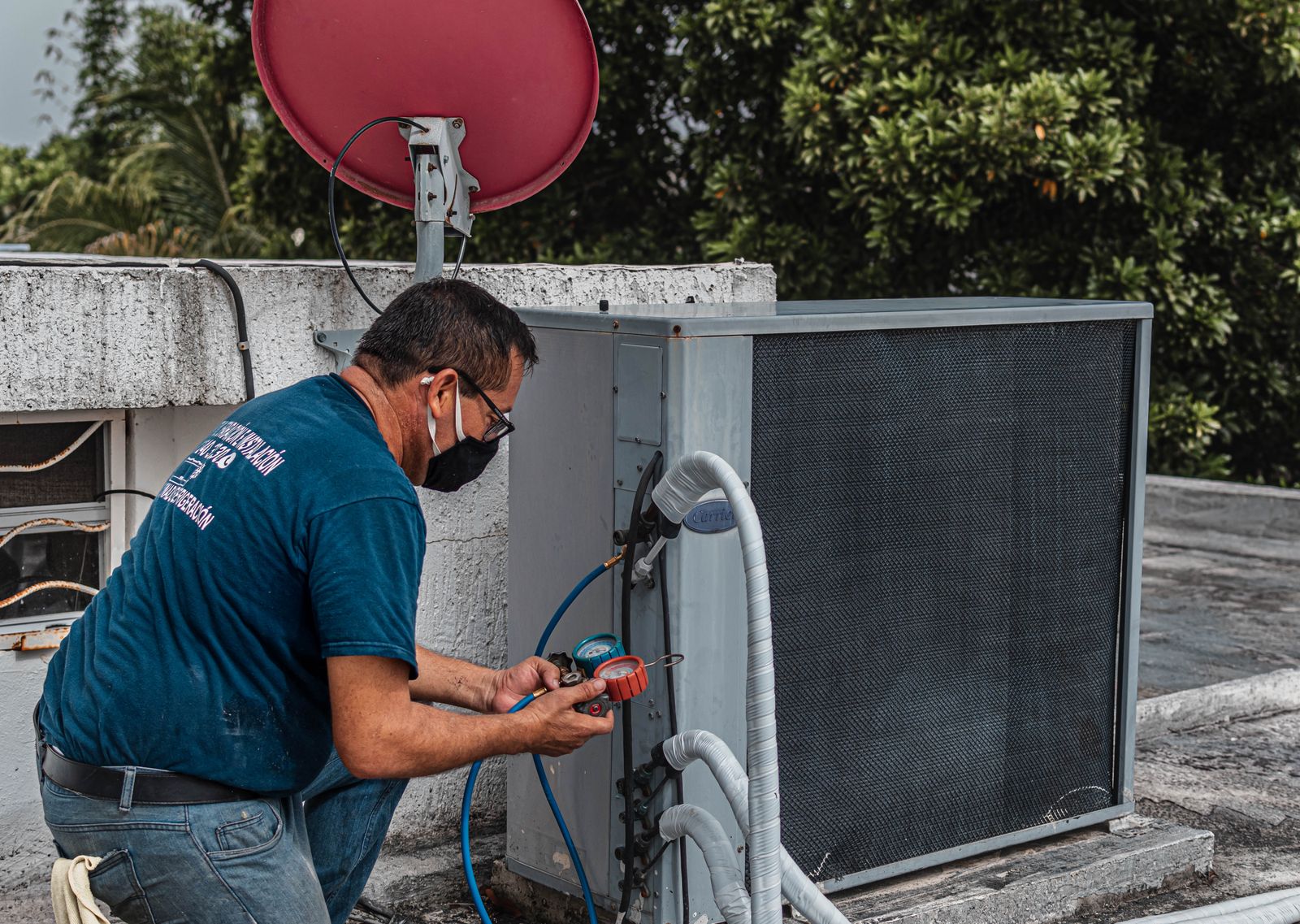
Low refrigerant. Removes the working fluid that carries heat outside, so every cycle delivers less cooling. Poor insulation and air leaks. Add cooling load the equipment was never meant to carry, often making a healthy unit behave like a failing one.
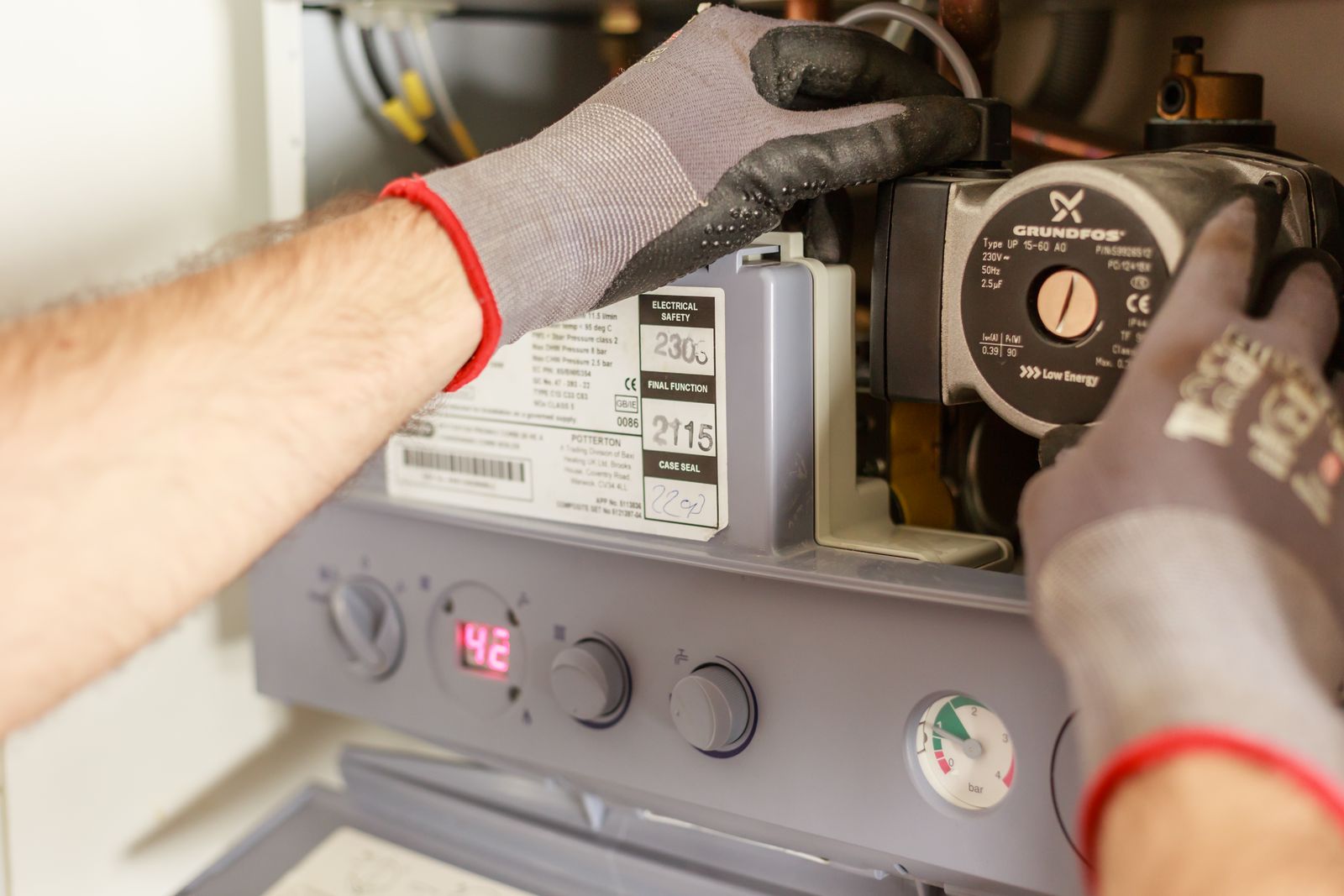
A Strathroy Heating & Cooling service visit tests the system under real conditions: measuring airflow, verifying the charge, and comparing the unit's capacity against the home's actual cooling load. That last step settles questions with numbers instead of opinion, and it often costs less than a single premature repair.
Long Cycles Are Normal; Nonstop Running Is Not
Ontario summers are humid, and humidity changes what your air conditioner has to do. Along with cooling, the system wrings moisture out of the air, and damp air takes much longer to treat than dry air. During a muggy July stretch, even a healthy system runs longer cycles than usual.
The line to watch is whether the system ever shuts off. A properly working unit labours through the afternoon and recovers in the evening. One that runs around the clock is telling you it cannot handle the load, and every cause behind that has a name.
Dirt Is the Most Common Culprit of All
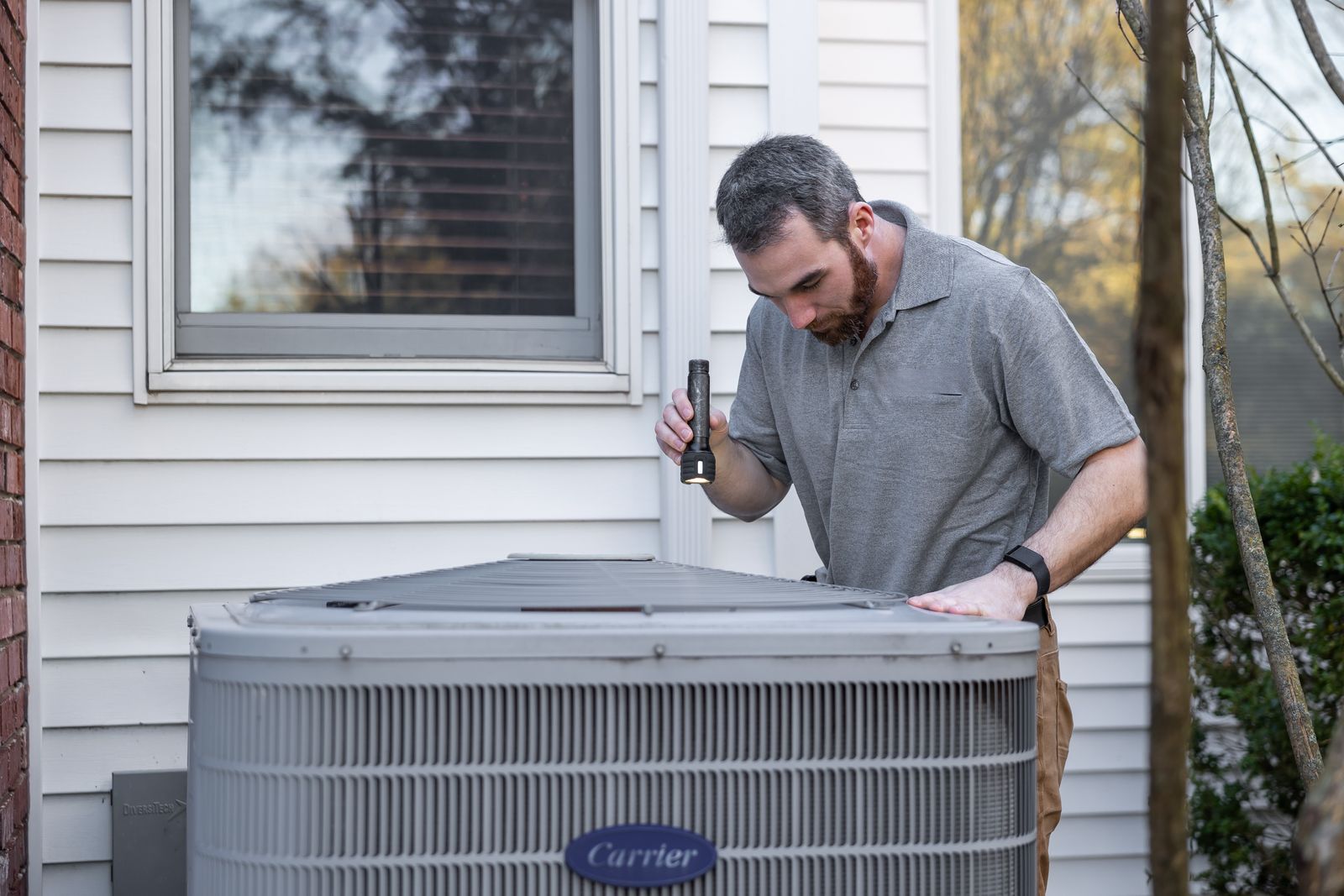
A clogged filter. When the filter is full, airflow drops and the system cannot move enough air to cool or dehumidify properly. Dirty coils. Dust building up on the indoor and outdoor coils blocks heat exchange, so heat that should be carried outside simply stays put.
A blocked condenser. Grass clippings, leaves, or a fence placed too close trap heat around the outdoor unit, forcing it to work even harder on days that are already tough.